Thinking about listing your Camillus home in the next month? A clear, week-by-week plan can help you hit the market with confidence, avoid last-minute stress, and attract stronger offers. You want to show buyers a well-cared-for home, backed by clean records and smooth access for showings. In this guide, you will get a practical 30-day checklist tailored to Central New York seasonality, common buyer questions, and the documents you will need. Let’s dive in.
Why a 30-day plan works in Camillus
Camillus buyers often include Syracuse-area commuters and households who value suburban lots and nearby amenities. Many homes are mid-century to newer builds, so light updates and safety fixes can go a long way. Central New York weather affects everything from curb appeal to scheduling photos, especially in late fall and winter. If snow is likely, plan ahead for quick removal, clear walkways, and flexible photo timing.
Well-timed prep helps you price with confidence and launch with strong images. If you are unsure how the current days on market or inventory levels may affect pricing, align with your listing agent to review local comps and set a smart strategy.
Week 4: Plan, declutter, and documents
Start by organizing your timeline and getting the right help in place.
- Hire your listing agent. Interview a few local pros and ask for comparable sales, a repair plan, and a marketing timeline.
- Gather key documents: deed, recent property tax bill, recent utility bills, appliance manuals and warranties, permits and receipts for upgrades, any HOA documents, and septic or well records if applicable.
- Walkthrough and prioritize. With your agent or a contractor, flag safety issues and obvious deferred maintenance.
- Declutter. Reduce items on flat surfaces, in closets, and on counters. Set aside boxes to donate, sell, or store.
- Schedule cleaning. Book professional cleaners for the photography week.
- Line up trades. Contact a painter, handyman, HVAC tech, roofer if needed, and licensed electrician or plumber for safety fixes.
Week 3: Repairs, safety, and systems
Focus on items that impact buyer confidence and inspection outcomes.
- Small repairs: fix leaky faucets, sticky doors, loose floorboards, cracked tiles, torn screens, and burned-out bulbs.
- Fresh paint: choose neutral colors for high-impact rooms like the entry, living room, kitchen, and primary bedroom. Touch up trim and baseboards.
- Flooring refresh: deep-clean carpets and address hardwood touch-ups where needed.
- Systems service: replace HVAC filters, schedule service, check the water heater, and consider a chimney sweep if the fireplace is a feature.
- Safety checks: make sure smoke and carbon monoxide detectors are installed and working per New York requirements.
- Exterior quick wins: tighten gutters, clear downspouts, trim dead branches, and power-wash siding or walkways if weather allows.
- Optional pre-listing inspection: consider a general inspection to uncover issues early and plan your pricing or repairs accordingly.
Week 2: Staging, curb appeal, and paperwork
Create a home that looks bright, neutral, and easy to maintain.
- Deep clean: hit kitchens, baths, windows, grout, and the range hood.
- Staging basics: remove personal photos, simplify décor, and arrange furniture to show function and flow. Consider minimal rental staging for the living room, dining room, and primary bedroom.
- Kitchens and baths: clear counters, refresh grout and caulk, replace worn hardware, and add clean towels or a new shower curtain.
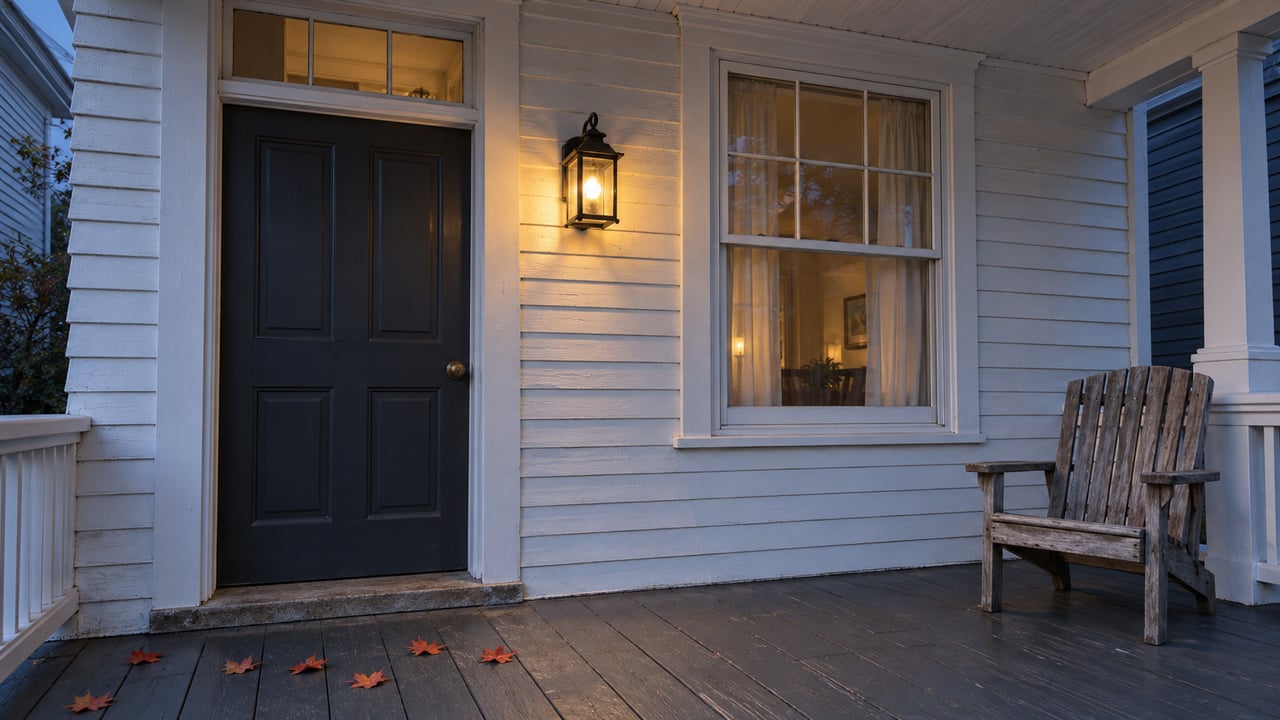
- Curb appeal: mow, trim shrubs, mulch beds, and add seasonal color if appropriate. Consider repainting the front door and updating house numbers or lighting.
- Photo logistics: lock in your photography date for a bright day. If it is winter, clear the driveway and walkways, and consider twilight shots to boost curb appeal.
- Marketing materials: assemble disclosures, recent tax bills, any HOA documents, and a simple neighborhood highlights sheet with parks, commute routes, and shopping.
Week 1: Final prep, photos, and launch
This is your polish-and-go week.
- Pre-photo checklist: remove clutter, hide pet items, park cars off property, set a comfortable temperature, and add fresh flowers if desired.
- Professional visuals: schedule interior and exterior photos, plus floor plans. Consider drone or twilight photos for standout features.
- Touch-ups: address odors, replace heavy fragrances with neutral scents, and fix anything the photographer flags.
- Show-ready routine: create a one-page list for showings that includes lights on, blinds open, tidied entry, and valuables secured.
- Access and instructions: provide your agent with keys, a lockbox location, pet instructions, and any occupancy notes.
- Pricing and launch plan: finalize list price, first showing date or open house, and how you will respond to early offers.
- Weather backup: be ready to launch with interior photos and add exterior shots as soon as conditions allow.
Room-by-room priorities
Use these quick hits to ensure each space shines.
- Kitchen: clear counters, clean appliances, tighten hardware, replace dated pulls or knobs, and ensure lighting is consistent.
- Bathrooms: re-caulk tubs and showers, clean grout, update shower curtain and rods, and remove visible toiletries.
- Living areas: neutral décor, clear traffic paths, remove excess furniture, and define each room’s purpose.
- Bedrooms: reduce closet contents, make beds neatly, and remove bulky pieces that shrink space.
- Basement and attic: clean, address moisture signs, run a dehumidifier if needed, and ensure safe, clear access.
- Garage and yard: tidy, organize storage, and resolve obvious drainage or runoff issues.
Disclosures and inspections in New York
Be transparent and organized to build buyer trust.
- Lead-based paint: if your home was built before 1978, you must provide the federal lead disclosure and the required pamphlet.
- Property details: New York sellers commonly complete a Property Condition Disclosure Statement. Confirm current requirements and any exemptions with your attorney or listing agent.
- Permits and records: have documentation for permitted work and be ready to address questions about any unpermitted improvements.
- Specialist tests: consider a radon test, a mold and moisture check for basements, a septic inspection if applicable, and roof or chimney evaluations for older homes.
- Safety devices: verify that smoke and CO detectors meet state requirements and are functioning.
Anticipate buyer questions in Camillus
Answer common concerns upfront to reduce friction later.
- Utilities and heating: provide recent utility bills and HVAC service records, including the age of key systems.
- Roof status: share age and receipts for repairs or replacement and address any leaks before listing.
- Basement moisture: be clear about any past water events and current mitigation steps like sump pumps or dehumidifiers.
- Sewer or septic: confirm your system type and provide inspection or maintenance records for septic systems.
- Taxes and assessments: include the latest property tax bill and note any exemptions or special assessments.
- Neighborhood context: prepare a simple guide with nearby parks, shopping, and commute routes to Syracuse-area employers.
Staging and photography for Central New York
Lean into what local buyers value.
- Highlight functional entry storage, mudrooms, and durable flooring that handles snow and slush.
- Emphasize energy efficiency, HVAC upgrades, and maintenance that matter in colder months.
- Present basements as versatile and dry, especially if they are finished.
- Use a neutral palette and minimal décor to widen appeal and help buyers focus on space and light.
Quality photography is essential because most buyers start online. Clear, bright images and accurate floor plans often increase showings and help shorten days on market.
Local pros and timing tips
Line up the right support early so you can stick to your 30-day plan.
- Core team: a Camillus-experienced listing agent, handyman or contractor, licensed electrician and plumber, HVAC technician, professional cleaner, photographer, home stager if needed, and a home inspector for pre-listing checks.
- Vetting: ask for references, confirm licenses and insurance, and get written estimates with clear timelines.
- Seasonality: if you plan to list in winter, schedule snow removal for photos and showings. In spring and summer, prioritize lawn care and fresh mulch for curb appeal.
Ready to list with confidence
A structured 30-day plan helps you hit the Camillus market looking sharp, priced right, and prepared for buyer questions. With organized documents, safety and system checks, and standout photography, you put yourself in position for strong activity in the first week on market. If you want a hands-on partner who can guide pricing, prep, and marketing, reach out to Jeremy for a plan tailored to your property and timeline.
If you are ready to start, connect with Jeremy Allen for a quick consult or to get your instant home valuation.
FAQs
When is the best time to list a home in Camillus?
- Spring and early summer often bring more buyers, while winter can mean lower inventory and less competition, so plan based on your goals and timing.
How much should I spend on pre-listing repairs?
- Prioritize safety fixes, system service, paint, flooring refresh, and curb appeal, since these typically improve showability and reduce inspection risk.
Do I need a pre-listing home inspection in Central New York?
- It is optional but helpful to uncover issues early, decide on repairs or credits, and give buyers more confidence in your property.
What disclosures are required for older homes in New York?
- Homes built before 1978 require federal lead-based paint disclosure, and New York sellers commonly complete a Property Condition Disclosure Statement.
How should I handle showings during snow and ice?
- Clear driveways and walkways, add safe entry mats, manage indoor moisture, and schedule photos on clear days when possible.
What documents do Camillus buyers expect to see?
- Recent utility bills, tax bill, permits and receipts for improvements, service records for HVAC and roof, and any septic or well documentation are common requests.