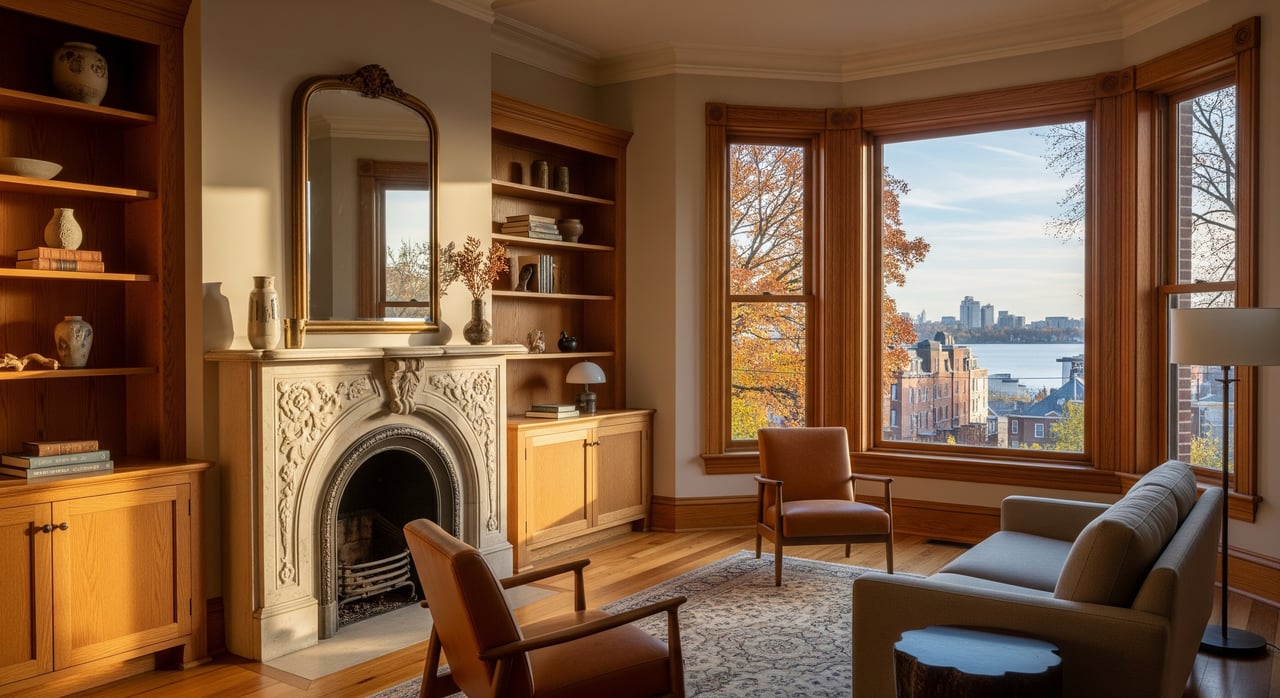
Are you curious what daily life in Syracuse actually feels like beyond the highlight reels and snow jokes? You might be weighing affordability against winter, or commute times against neighborhood vibe. In the next few minutes, you’ll get a clear, practical picture of housing, schools, jobs, weather, and day-to-day logistics so you can decide if Syracuse fits your plans. Let’s dive in.
Syracuse at a glance
Syracuse is a mid-sized Upstate New York city that anchors Onondaga County and serves as the region’s hub for education, healthcare, government, and small manufacturing. The area offers a lower cost of housing than many large U.S. metros and a manageable urban-suburban mix. You’ll experience four true seasons, including significant lake-effect snow in winter that shapes daily routines and home needs.
Education and healthcare drive a lot of local employment and activity. Syracuse University and SUNY Upstate Medical University anchor University Hill and influence nearby housing demand. Life here blends big-game college sports, neighborhood festivals, and a growing downtown scene with a practical, car-first commute culture.
Housing and neighborhoods
Syracuse gives you two broad living patterns: historic city neighborhoods with character-rich homes and a ring of suburbs with mid-century to newer builds. Your day-to-day experience hinges on which you choose.
City living: character and convenience
Inside the city, housing skews older with 19th and early 20th century stock. You’ll see brick Victorians, bungalows, duplexes, and two- to three-family homes, often with original woodwork and deep porches. Condition varies, so budget for maintenance if you prefer historic charm.
Neighborhoods feel distinct. University Hill is busy and walkable with students and medical professionals. Westcott mixes an artsy, small-business vibe with easy access to campus. Eastwood offers a village feel with tree-lined streets. Tipperary Hill carries a unique local identity. The Near Westside and Northside include pockets of revitalization alongside blocks still improving. Downtown and Armory Square feature restaurants, nightlife, and loft-style options, with nearby Inner Harbor seeing ongoing redevelopment.
Suburban options: space and variety
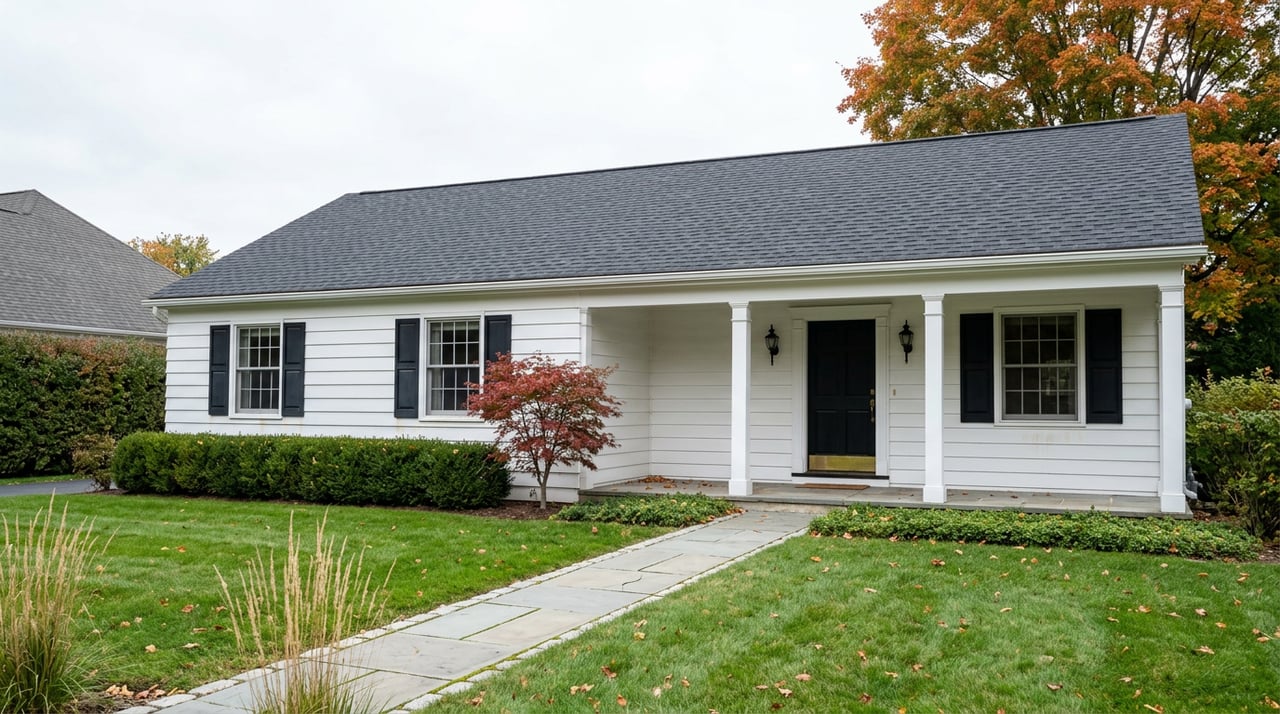
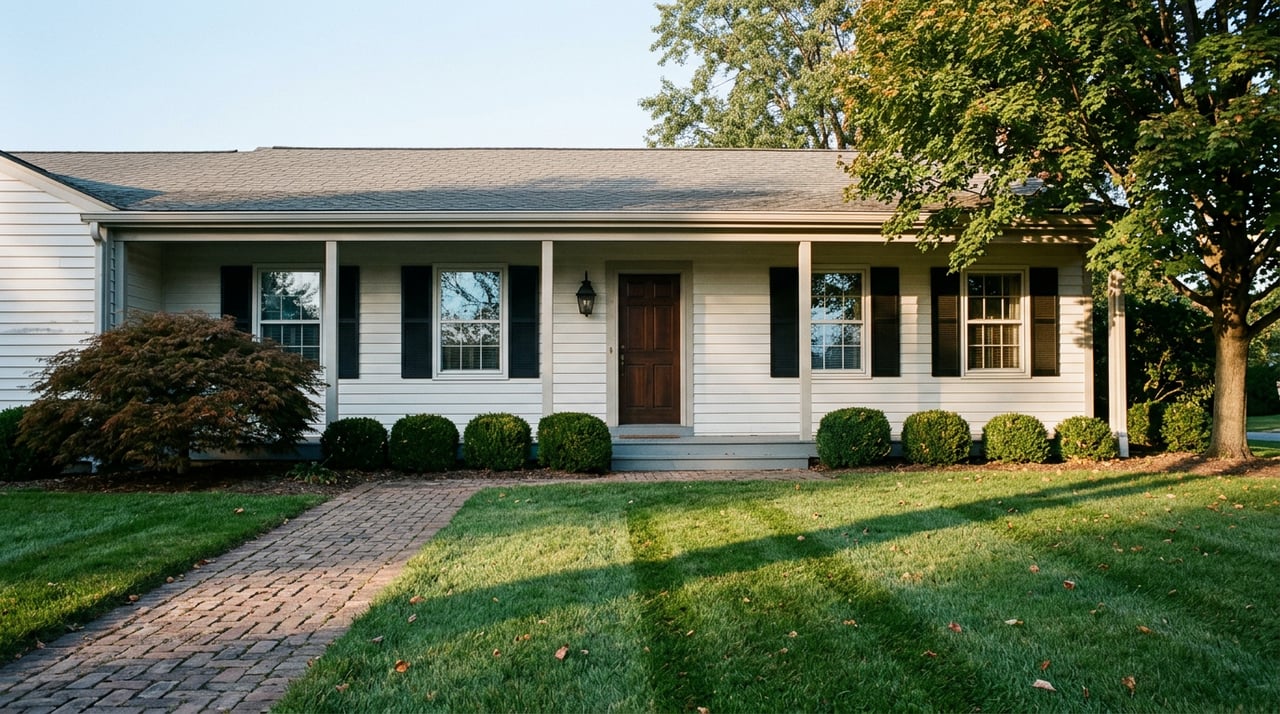
Suburban communities in Onondaga County include Fayetteville-Manlius, Liverpool, Baldwinsville, Cicero, and Skaneateles. You’ll find mid-century ranches and split-levels, larger single-family homes, and planned subdivisions. Many buyers favor suburbs for a combination of yard space, garage parking, and access to different public school districts.
Home prices and property taxes vary by municipality and school district. That variation is a major factor to compare on individual listings. Commute times into downtown or University Hill are generally reasonable, and you can choose between closer-in suburbs and more rural edges depending on your priorities.
Renting vs. buying
Rental options cluster around University Hill and downtown. Student-heavy areas have higher rental concentrations that can skew median rent figures. If you want quieter streets, consider pockets of the city away from campus or look to the suburbs.
If you’re an investor, two- and three-family properties are common in many city neighborhoods. Pay close attention to property condition, tenant history, and local code requirements. For owner-occupants, house-hacking a duplex can offset monthly costs if you are comfortable managing a unit.
Cost of living and property taxes
Syracuse’s overall cost of living is generally below the national average for housing and many daily expenses. Winter utility costs matter here, so factor in efficient heating, insulation, and window quality when you compare homes. If you are new to snow country, plan for seasonal expenses like plowing, shoveling, roof rakes, and winter gear.
New York State relies heavily on property taxes to fund schools, and the actual tax bill can differ widely by town and district. Two similar homes a few miles apart can carry very different annual taxes. When you find a listing you like, review both the municipal and school tax lines and compare them to your budget over a 5- to 7-year horizon.
Jobs and the local economy
The job market leans on education, healthcare, government, retail and service, and light manufacturing. Syracuse University and SUNY Upstate are among the largest employers, and the county and city governments provide stable public-sector roles. Economic development efforts are pushing downtown revitalization, small business and tech growth, and waterfront redevelopment that continue to reshape certain corridors.
Household incomes tend to be higher in many suburbs than in the city. If you are moving for work, ask your employer about commute flexibility and parking options, since both can influence where you choose to live.
Getting around Syracuse
Most residents drive. Commute times are shorter than in bigger metros, with I-81, I-90, and Route 690 serving as key highways. Public transit is available through Centro, the region’s bus provider. Review routes and service frequency on the Centro site if you expect to ride regularly. You can start with the overview at the Central New York Regional Transportation Authority’s homepage for schedules and maps at Centro.
A major infrastructure project is reshaping traffic patterns. The I-81 viaduct replacement, also known as the Community Grid, affects downtown and nearby neighborhoods. If you plan to live north or south of the city or commute to University Hill, it is worth following updates from the New York State Department of Transportation. You can learn about the scope and timeline at the NYS DOT I-81 Viaduct Project page.
Regional and air travel are straightforward. Syracuse Hancock International Airport connects to major hubs, and day trips to Buffalo, Rochester, and Albany are feasible. For weekend getaways, the Finger Lakes and Adirondacks are within driving range.
Climate and daily life
You’ll experience four distinct seasons. Summers are warm and humid. Fall and spring feel crisp and comfortable. Winters are long and cold, with frequent lake-effect snow from Lake Ontario. That snow can be intense, then clear just as quickly, so you adapt to fast-changing conditions.
For an evidence-based view of typical temperatures and snowfall, check climate normals from the National Weather Service. The NWS keeps Syracuse-specific climate summaries at the NWS Syracuse climate page.
Winter home and car checklist
- Prioritize homes with efficient heating systems, solid insulation, and tight windows.
- Ask about roof age, attic ventilation, and ice dam history.
- Plan snow management: who plows, where you’ll store snow, and walkway safety.
- Keep a winter kit in your car: scraper, shovel, jumper cables, and warm gear.
Schools and higher education
Public schools vary by district. The Syracuse City School District serves the city, and many families compare it with suburban districts such as Fayetteville-Manlius, Baldwinsville, Westhill, Liverpool, and Skaneateles. Use objective sources for the latest performance data and program offerings. You can review official district report cards at the New York State Education Department portal.
Higher education has a major footprint. Syracuse University and SUNY Upstate Medical University shape housing demand near University Hill and provide cultural and academic resources. Onondaga Community College supports workforce development and continuing education.
If schools are a priority, tour neighborhoods at arrival and dismissal times, talk to principals or district offices about programs, and compare transportation and extracurricular options. Keep the conversation focused on facts and your specific needs.
Safety and neighborhood research
Like many cities, safety varies block by block. Crime rates in some Syracuse neighborhoods are higher than national averages, while many suburbs report lower rates. The best approach is to review data, visit areas at different times of day, and speak with local community organizations.
You can explore city-level information through the Syracuse Police Department and broader trend data through the FBI’s Crime Data Explorer. Start with the SPD’s main page at the Syracuse Police Department and national reporting through the FBI Crime Data Explorer.
Who Syracuse fits best
- You value lower housing costs compared with many large metros and you want access to healthcare and higher-ed employers.
- You prefer a smaller-city pace with a defined downtown and distinct neighborhoods.
- You can handle snow and like true seasonal change.
- You want options across historic city homes, suburban single-family houses, or small multi-family properties for owner-occupancy or investment.
If you’re an investor, Syracuse’s older housing stock and steady renter base create opportunities in duplexes and small multi-family buildings. Success depends on underwriting conservatively, confirming property condition, and planning for winter maintenance. If you are relocating, a remote-friendly workflow and clear, neighborhood-level comparisons help you decide whether city or suburb fits best.
A day in the life
Imagine a typical weekday. You leave a tree-lined street in Eastwood or a cul-de-sac in Baldwinsville, join Route 690, and pull into University Hill in 15 to 25 minutes depending on your start point and schedule. After work, you stop downtown for a bite in Armory Square or catch a game on campus. Winter means you build in time to clear the car and watch the forecast. Summer brings patio dining, parks, and lakes within easy reach.
Weekends can swing local or outdoorsy. You might browse the Regional Market, check out a neighborhood festival, or take a short drive to the Finger Lakes. If you live in the city, you’ll appreciate the character of older homes and short hops to downtown. If you live in the suburbs, you’ll enjoy more yard space and easy highway access.
Practical next steps
- Visit in at least two seasons if you can. Winter and summer show you how Syracuse truly feels day to day.
- Shortlist neighborhoods based on commute, school district research, and housing style preferences.
- Compare property taxes and projected utility costs across your finalists.
- For city homes, budget for maintenance and consider pre-inspections for older roofs, foundations, and mechanicals.
- For investors, run conservative pro formas that include winter expenses, capital reserves, and tenant transition plans.
Ready to get specific about neighborhoods, listings, and timing your move. Work with a local advisor who pairs Syracuse expertise with modern, remote-friendly workflows. If you want clear guidance and strong negotiation from search to close, connect with Jeremy Allen.
FAQs
Is Syracuse affordable compared with big metros?
- Syracuse generally offers lower housing costs than many large U.S. metros, with taxes and utilities varying by location and winter needs.
How snowy are Syracuse winters in practice?
- Expect frequent lake-effect events and sustained cold; review typical temperatures and snowfall at the NWS Syracuse climate page.
What are common commute options to University Hill?
- Most residents drive via I-81 or Route 690; Centro bus routes also serve University Hill with schedules on Centro.
How should I research local schools before buying?
- Compare objective district data using the New York State Education Department portal and schedule school visits for programs and logistics.
What is the I-81 project and why does it matter?
- The I-81 viaduct replacement, or Community Grid, is a major infrastructure project affecting traffic and development; see the NYS DOT I-81 Viaduct Project page.