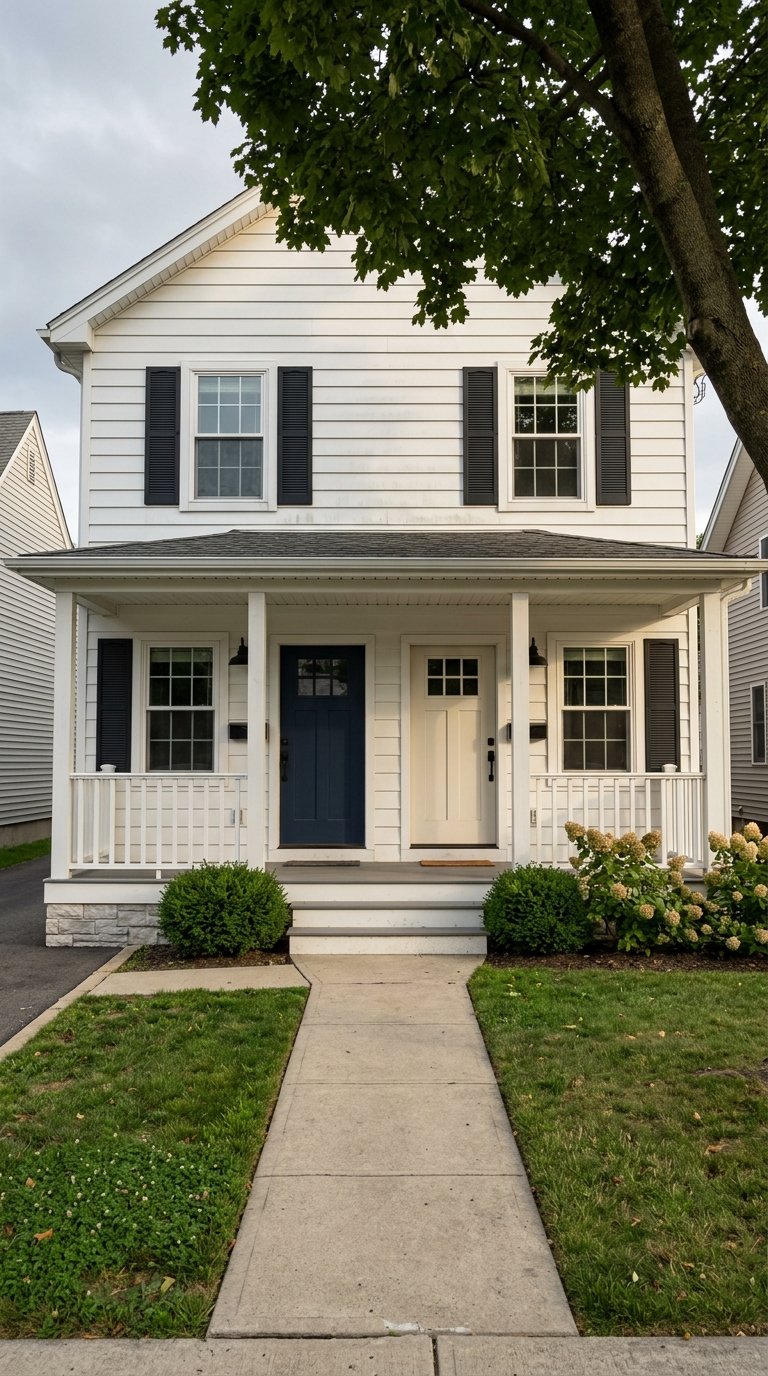
Wondering whether it still makes sense to keep your Baldwinsville rental, or if this is the moment to cash out? That question is getting more common as home values rise, rents soften, and ownership costs stay real. If you own a single-family rental, duplex, or small multi-family property in Baldwinsville, you need more than a gut feeling. You need a simple way to compare cash flow, risk, and net sale proceeds so you can make a smart next move. Let’s dive in.
Baldwinsville Market Snapshot
Baldwinsville is giving owners mixed signals right now. On one hand, home values have moved up, with Zillow showing a typical home value of $326,577 as of April 30, 2026, up 7.6% year over year. Redfin also reported a $265,000 median sale price in March 2026, up 11.0% from a year earlier.
On the rental side, the story is less aggressive. Zillow showed average rent in Baldwinsville at $1,595 as of May 22, 2026, down $287 year over year, and labeled the rental market cool. Zillow also showed just 20 available rentals, which points to a small market where a few listings can shift conditions quickly.
At the county level, Realtor.com reported a median listing price of $275,000, median rent of $1,800, and 29 days on market in Onondaga County. These figures are useful for context, but they measure different things, so they should be used as directional signals rather than exact one-to-one comparisons.
What the Numbers Mean for Landlords
A quick screening test helps frame the hold question. If you compare Baldwinsville’s average rent of $1,595 with the typical home value of $326,577, gross annual rent comes out to about $19,140, or roughly 5.9% of value before expenses.
That number is not your return. It does not include property taxes, insurance, maintenance, vacancy, capital repairs, or mortgage payments. Still, it shows why many local landlords feel pressure even when values are rising.
In plain terms, appreciation may look strong on paper, but your monthly reality is driven by what is left after expenses. If the property does not consistently leave room for reserves and repairs, holding gets harder to justify.
When Holding Still Makes Sense
Holding can still be the right move in Baldwinsville, especially if your property is already in solid shape and your numbers work today. Onondaga County planning data suggests rental demand remains present outside Syracuse, with vacancy under 5%, slower rental production, and average break-even rent for new units above $3,000. That points to ongoing demand, but not a free pass to assume rent growth will rescue a weak deal.
A hold case is usually stronger when the property is conforming, leased near market rent, and not headed toward a major repair bill. If your building is stable and you can absorb normal turnover without stress, keeping it may allow you to benefit from continued demand and limited supply.
This is especially true for owners who have manageable debt or no mortgage at all. If your monthly expenses are controlled and the property produces dependable net income, there may be little reason to sell just because the market has shifted.
Signs Your Hold Case Is Strong
You may be in a better position to hold if most of these are true:
- Your rents are close to current Baldwinsville or Onondaga County market levels
- The property is registered and compliant as a rental
- You have cash reserves for repairs, turnover, and vacancy
- The building does not need major roof, boiler, HVAC, plumbing, or unit work soon
- Debt service is reasonable relative to rent collected
- You could tolerate a year of flat or slightly softer rents
If that list sounds like your situation, holding may still be a disciplined choice rather than a hopeful one.
Why Cash Flow Matters More Than Appreciation
A rising market does not always mean a rental is worth keeping. The better test is net monthly performance after the real costs of ownership. That includes taxes, insurance, maintenance, vacancy, capital reserves, and debt service.
Onondaga County notes that county property taxes depend on equalization rates, local assessments, and the county levy. That means your tax bill can change even if your rent does not. For many owners, that alone can tighten margins faster than expected.
If you own a duplex, one vacancy can hurt quickly. Losing one tenant can cut gross rent in half until the unit is re-leased, and in a small market with softer rent trends, it is smart to assume some friction instead of planning for an immediate top-dollar re-rent.
A Better Hold-or-Sell Test
Before you decide to hold, ask yourself:
- How many months of vacancy can this property absorb?
- If one unit goes vacant, will I need to add personal cash?
- Are my current rents realistic for today’s market?
- Do I have enough set aside for turnover and capital repairs?
- Would a tax increase or insurance increase change the math?
- Am I holding because the property performs well, or because selling feels like a bigger decision?
Those questions often reveal the answer faster than a headline about appreciation.
When Selling Starts to Look Smarter
Selling becomes more attractive when the property is no longer rewarding you for the time, risk, and capital it requires. If capex is piling up, debt service is too high, or compliance and management are becoming a burden, your equity may be more valuable in your pocket than in the building.
That can be especially true in a market where values have risen but rents are not keeping pace. If your property has appreciated enough to create meaningful equity, selling may let you exit cleanly before another repair cycle or another stretch of softer rent performance.
A sale can also make sense if you want to simplify. Some owners reach a point where they would rather reduce landlord responsibilities, redeploy funds into another asset, or move into a property type with stronger numbers and less day-to-day effort.
Signs Selling May Be the Better Move
Selling may deserve a closer look if these issues sound familiar:
- The property needs major repairs in the near future
- Your mortgage payment leaves little room for reserves
- Taxes, insurance, or maintenance are rising faster than rent
- One vacancy would create immediate cash strain
- You are tired of compliance, turnover, or tenant management
- You want to redeploy equity into a simpler or higher-yield opportunity
If several of these apply, holding may be costing you more than it appears.
Baldwinsville Rules to Check Before You Decide
Local rules matter in a hold decision, especially if you are considering changes to the property. In the Village of Baldwinsville, single-family and two-family dwellings are permitted in R-1 districts, while multiple-family dwellings are permitted in R-2 districts. Structures with more than four dwelling units in R-2 require Planning Board review and approval.
That matters if you were thinking about converting, expanding, or marketing the property based on a higher-density use. If the value of your hold plan depends on changing the use, you need to verify that path before making your decision.
Baldwinsville also requires all rental units to be registered with the village, and new or converted rentals must be registered before occupancy. For a small landlord, that means the hold decision is not just about rent. It is also about whether you want to keep up with local compliance, paperwork, and any related costs.
The current New York Attorney General list for Good Cause Eviction does not include Baldwinsville. Still, owners should verify whether local rules change over time before assuming a long-term hold plan will operate under the same standards.
If You Sell, Know Your Net First
A high sale price does not automatically mean a high take-home number. Before you list, it helps to estimate your likely net after commissions, taxes, and any property-specific expenses.
In Onondaga County, Realtor.com says typical total commissions are around 5% to 6%, and negotiable. That cost should be part of your decision from the start, not an afterthought once you are already committed to selling.
Timing can matter too. Realtor.com’s 2026 Best Time to Sell report says the week of April 12 to 18 has historically brought higher prices, more views, less competition, and faster sales. While no single week guarantees a result, timing can influence how much attention your listing gets.
Mortgage rates also affect the equation. Freddie Mac reported the 30-year fixed rate at 6.51% on May 21, 2026, up from 6.36% the prior week. Higher rates can make your next purchase harder to pencil out, but they can also support the case for selling if your current rental is already producing weak returns.
Don’t Overlook Tax Details
Taxes can change the real outcome of a sale in a big way. If your property has been used as a rental, depreciation recapture may reduce your net proceeds when you sell. If you have passive losses, disposing of your entire interest in the activity may also affect how those losses are treated.
If the property started as your personal residence and was later converted to a rental, the basis rules at conversion are also important. In that situation, the depreciation basis is generally the lesser of fair market value or adjusted basis at the time of conversion.
If you have never tracked depreciation carefully, or if the property changed use over time, a CPA review before listing may save you from surprises. This is one of the most important parts of a sell decision because the tax outcome can materially change what you actually walk away with.
A Simple Way to Make the Decision
If you want a practical framework, compare three things side by side:
- Net monthly cash flow after taxes, insurance, maintenance, vacancy, reserves, and debt service
- Reserve needs for the next 12 to 24 months, including major repairs or turnover work
- Estimated net sale proceeds after commissions and likely taxes
Then compare those numbers against the hassle factor of continued ownership. If the property is producing stable cash flow, has manageable reserve needs, and fits your long-term plan, holding may still make sense. If the net is thin, risks are rising, and the sale proceeds would give you more flexibility, selling may be the better business move.
In Baldwinsville today, there is no one-size-fits-all answer. The local market still shows rental demand and limited supply, but rent trends are not strong enough to justify holding every property by default. The strongest hold cases are usually conforming, cash-flow-positive properties with reserves. The strongest sell cases are usually highly leveraged properties, buildings with major work ahead, or rentals that require more tax and compliance effort than the income stream justifies.
If you want help reviewing your rental’s value, local demand, and likely sale strategy in Baldwinsville, Jeremy Allen can help you weigh the numbers and plan your next move with clear, local guidance.
FAQs
Should you sell or hold a Baldwinsville rental if rents are soft?
- If your property still produces healthy net cash flow after taxes, insurance, maintenance, reserves, vacancy, and debt service, holding may still work. If softer rents leave little margin for repairs or vacancy, selling may be the stronger choice.
What is the average rent for a Baldwinsville rental property?
- Zillow showed an average rent of $1,595 in Baldwinsville as of May 22, 2026, with the rental market labeled cool.
What home values are doing in Baldwinsville right now?
- Zillow reported a typical home value of $326,577 as of April 30, 2026, up 7.6% year over year, while Redfin reported a $265,000 median sale price in March 2026, up 11.0% year over year.
What expenses should Baldwinsville landlords review before holding a rental?
- Review property taxes, insurance, maintenance, vacancy, capital repair reserves, and debt service. These costs often determine whether a rental truly works.
Do Baldwinsville rental properties need to be registered?
- Yes. The Village of Baldwinsville requires all rental units to be registered, and new or converted rentals must be registered before occupancy.
When might selling a Baldwinsville rental make more sense?
- Selling may make more sense when the property needs major repairs, cash flow is weak, leverage is high, or the time and compliance burden outweigh the rent stream.
What should owners know about taxes before selling a Baldwinsville rental?
- Rental property sales can involve depreciation recapture, and prior passive losses or conversion-from-residence rules may affect your net proceeds. A CPA review can help clarify the numbers before you list.